

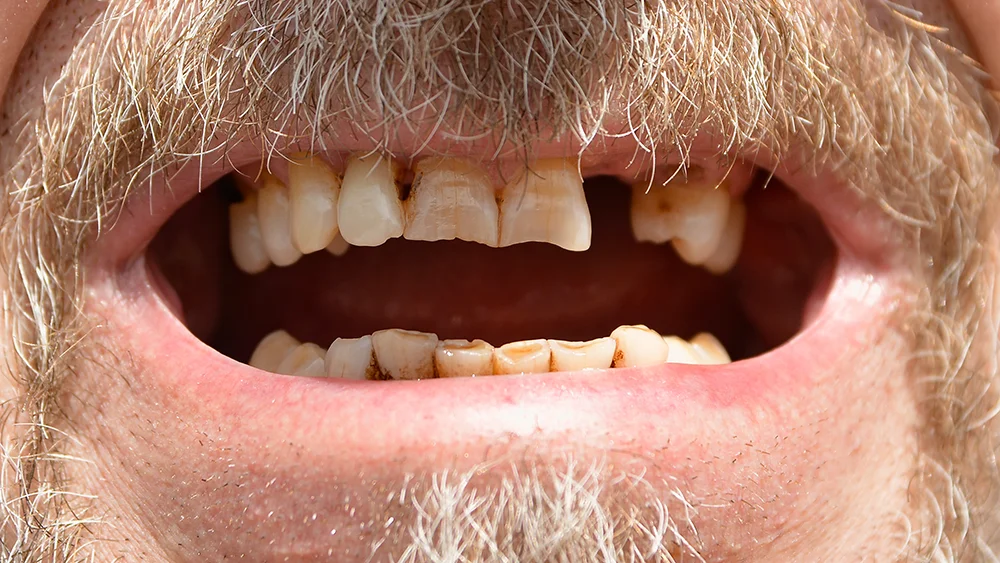
Did you know that 96% of Canadian adults have (or have had) cavities? With the prevalence of this oral health issue, the value of regular dental cleanings is clear. However, one of the best cures is prevention. Good dental habits, consistently practiced, can help you avoid having to deal with tooth cavities.
But you may wonder what the symptoms and causes are and what treatments are available for cavities. It’s important to understand these factors. Such knowledge will go a long way in ensuring your oral health.
How to Know if You Have a Cavity
Dental cavity symptoms can vary based on tooth decay severity as well as the kind of cavity. As a cavity forms, more than likely, you won’t even notice its presence. That’s why it’s essential to get a deep dental cleaning regularly.
Failing to do so can cause the cavity to become worse; some of the resulting symptoms may include:
- Biting pain
- Holes or black spots forming on your teeth
- Toothache
- Heat and cold sensitivity
- Pain when consuming sweets
It’s recommended you get a dental cleaning every 6 months to avoid this. This process will help find potential oral health concerns before they become bigger problems.
What Causes Cavities to Form?
Tooth decay causes cavities. Bacteria, food remnants, and natural acids coat your teeth with plaque. The acid-filled plaque then begins eating away at the hard surface of your teeth (otherwise known as the enamel). As the acid deteriorates your enamel, it starts damaging the underlying dentin. Dentin is the second, more sensitive tooth layer, more susceptible to damage.
If left untreated, your tooth decay may negatively affect the pulp—the inside of your tooth. The pulp stores many nerves and blood vessels. As such, if decay advances to the pulp, it may result in nerve damage. This outcome can cause:
- Pain
- Irritation
- Swelling
- Aching of the gums
- Sensitivity to hot, cold, sweet, or sour drinks/food
If tooth decay progresses, your tooth may develop pus as your immune system tries to fight the infection.
Treatments for Tooth Cavities
Treatment is available for dental cavities. The type of treatment you choose will depend on the severity of your tooth decay. Here are a few options to consider:
- Fluoride: A natural mineral, fluoride can reinforce your enamel. It strengthens your teeth, ensuring they are more decay-resistant. Moreover, fluoride treatments can undo early tooth decay indicators.
- Fillings: Fillings are constructed from various materials, including metal or composite. The filling process involves your dentist extracting the rotting tooth fragment. This procedure is performed with a drill; the hole is then filled with the material.
- Crowns: Crowns are employed if a sizeable portion of your tooth must be extracted. Crowns are tailor-made from porcelain or metal. They typically blanket the entirety of your tooth’s top surface.
Next Step: Schedule a Deep Cleaning Today
Cavities can be painful and stressful. If you’re experiencing a cavity, we can help. At Franklin Dental, we are a team of dental professionals. And whether you need general dentistry, preventative care, or deep dental cleaning, we can assist with restoring your smile. So contact us today to enhance your oral health.